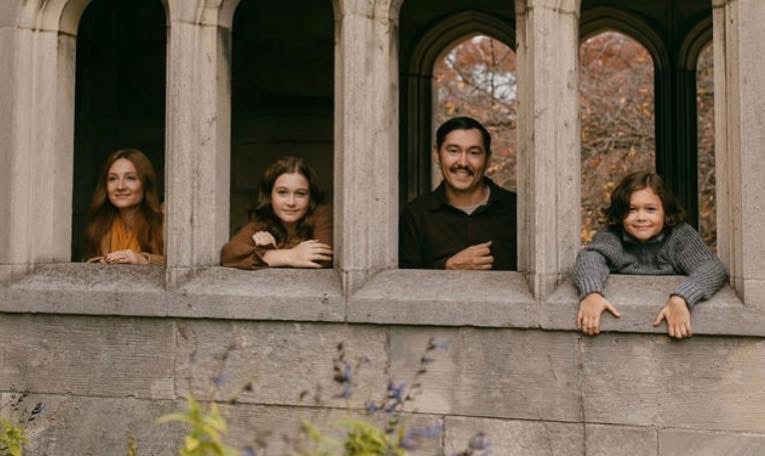
“You are not broken, in need of fixing. Rather, you are deeply hurt, in need of care.” – Dr. Arielle Schwartz
Mothering, homemaking and wellbeing interconnect in many ways, namely in the ways we give love and care, and the ways we receive love and care. The simple and most basic need as humans is to love and be loved. The inner terrains we’re all made of, consist of emotional histories which carry a large weight onto the ways we relate to one another and the world around us. As we unpack the history, although painful at times, we become aware of who we are, and why we behave and interact the way we do. Gaining a fuller understanding of ourselves creates space to live more authentically, rooted in oneself, and whole.
Mothering is an individual experience and cracks open the door to childhood memories, for good or for bad. Any unprocessed traumas and emotions, whether past or present, may come up. Finding ways to process these memories in healthy and safe spaces allows motherhood to be more fulfilling and enjoyable. The truth is, we’ve all had situations in our lives which were challenging and bring up uncomfortable emotions. The denying of this is what makes moving forward more difficult than it has to be. Creative outlets, meaningful connections, and yes, therapy, are all helpful ways in navigating the vast array of emotions that come with mothering. As Brene Brown says, “shame dies when stories are told in safe places.”
Understanding Trauma
“Many trauma survivors hold their breath and their bodies tightly, bracing themselves for whatever is coming next. Staying alert for years takes a toll. Create spaces where you can take your armor off.” – Dr. Thema
Trauma is defined as “a deeply distressing or disturbing experience.” The reaction to a trauma varies from person to person, and often includes shock and denial as a defense mechanism. Unfortunately, when a trauma is not processed in a healthy way, it may become the lens which a person sees other situations. Thus, their ability to cope from day to day may be impacted greatly and expressing their true feelings, and reaching their potential may also be hindered by unprocessed traumas. Instead of the mind and body becoming flexible and adaptable, it becomes tense and rigid.
Preconceived notions may make daily living feel redundant and the future, hopeless. How may one integrate their experience and prior trauma into day to day living, in order to hold space and give meaning to their experience, while learning to embrace the uncertainty of life with a hopeful worldview?
Fake it till you make it may hold true for a while, yet without addressing the impact of our experiences, we may become embittered and less flexible in our mindset when we do not give credence the very things that make up the emotional landscape of who we are. Being able to experience an array of emotions in healthy ways builds resilience, instead of becoming overly entangled in them. Our lives flow with a feeling of ease whenever we can own the things that helped shape us, while not letting it define us.
Meaningful Connection to Bridge the Gap
“I define connection as the energy that exists between people when they feel seen, heard, and valued; when they can give and receive without judgement; and when they derive sustenance and strength from the relationship.” – Brene’ Brown
The role community plays in the trajectory of wellbeing is profound.
Creating meaningful connections with loved ones helps to bridge the gap between the way we previously experienced the world, to new, hopeful ways. I remember neighbors walking by to say hello, stop in for coffee, or just sit on the front porch to talk. Living with my grandparents, and having grandparents around me from both sides of the family, helped me to see the value in slowing down and connecting from a very young age. Being part of a congregation created a feeling of belonging as well. Simply knowing you had others looking out for you, showing concern for your wellbeing and supporting you in your success, meant everything. The ones who showed up for me at school events helped me to know they were rooting for me. Whether at home, in school, or at a friend’s home, the feeling of being cared for is something that carried me through the ups and downs of life.
In creating meaningful connections, our guard is down, and a willingness to see things from varying perspectives is evident. The conversation is not dominated by one way of thought, and if there are differing viewpoints, the agreement to disagree is evident. We cannot live fully in our essence if we continually shift beliefs to please others, which are out of alignment with our values. Spending time getting to know oneself, what one believes, and which values matter most, is imperative in creating meaningful connections with others, without losing oneself. While we need connection to thrive and feel seen, the potential of codependency is common, with the sacrifice of one’s integrity. There is beauty in similarity and diversity of thought. Honoring both brings greater peace and harmony. In the same way, grief and joy intertwine, so do likes and dislikes, love and hate, hope and despair. Giving grace for the feelings of others while honoring our own is what makes us human.
Homemaking & Wellbeing
“The most powerful way to change the world is to live in front of our children the way we would like the world to be.” – Graham White
In homemaking, wellbeing, there is an endless intertwining. The same way mind & body is interconnected through our thoughts, feelings and actions, our homes and wellbeing intertwine through to spaces we create and the attention and intention we give. It is not meant to be a comparison, rather it is meant to be a feeling of belonging.
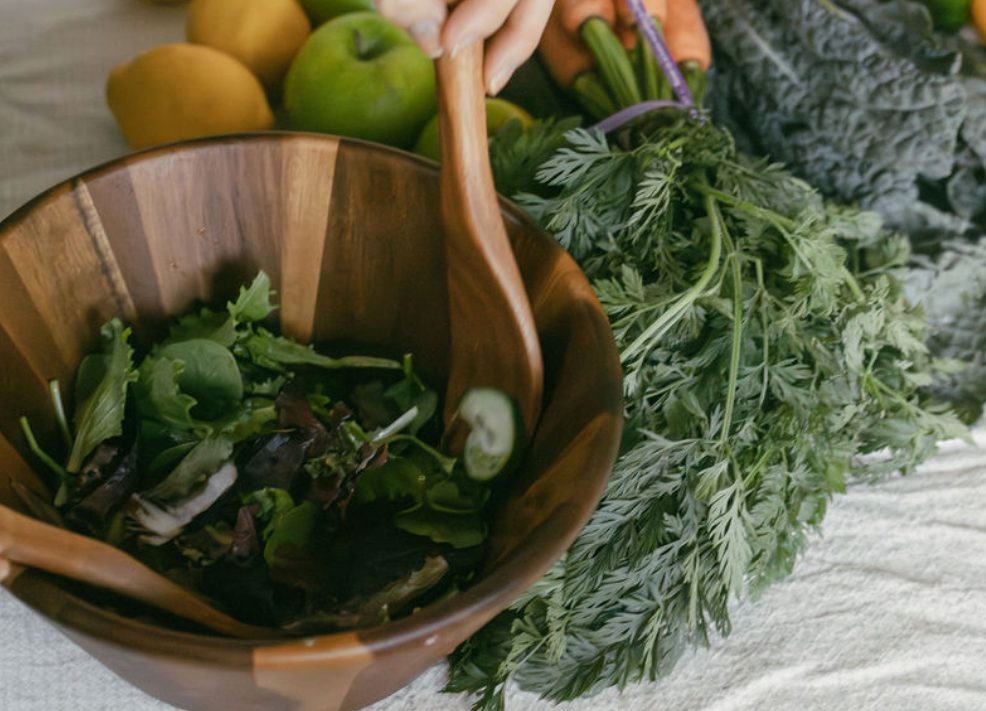
The time we spend keep our spaces less cluttered, helps our minds feel less cluttered too. In the world of information it is easy to become overwhelmed and out of balance. It makes it easier to find things too! Meal prepping also makes it so we’re more intentional with foods we choose. Finding a rhythm in line with family schedules helps everyone to feel a part of something and be more in sync with one another.
Emotional eating is something that may come up when our emotional needs get buried. Overwhelm and feelings of loneliness easily takes over in motherhood and caring for others. Taking inventory and keeping a food and mood journal is one way to become more intentional in the day to day. It may be as simple as needing fresh air, getting more water, buying some flowers, or talking with a good friend. Other times, taking a closer look may be necessary. Unpacking traumas take a bit more focus and attention. Finding support from a therapist, or other professional can make a world of difference when you’re in the thick of it. Consistency is key in any endeavor, and finding a support system is a simple step in a positive direction.
Prioritizing meal times, sleep, and time in nature are a few of the ways our homes become more of a sanctuary and place of tranquility. After a busy day, praying around the table is one way our family has prioritized time to be together and feel supported. Bedtime routines have been a large part of making things a little less chaotic too. We all know getting little sleep, means giving little presence, and a lot more reactivity. Becoming in tune with oneself through daily practices is what helps to move the needle in a better direction. For Brian and I, checking in with each other to see how were feeling at the end of the day helps us to be more compassionate toward one another. Owning our stories, and being more intentional can begin at any moment. Reset, restart, refuel, as many times as necessary.
A Piece of My Story
“Trauma and repetitive stress — without release — changes our biology, our chemistry, our bodies, our minds, our brains, and our nervous systems” – Paul Canali (Evolutionary Healing Institute)
In mothering, I did not fully realize the emotional baggage I had been carrying, until one by one, pieces of the puzzle came together. While my childhood was full of loving and fun memories, there were parts of it that created some emotional dysregulation. I remember the time my grandparents, who we lived with for a time, suddenly moved and I lost my sense of security and familiarity, it left me with deep feelings of uncertainty. In adulthood, there were also events which created emotional dysregulation, and again bringing a feeling of loss and uncertainty. It took quite a while to realize I was experiencing symptoms of PTSD. And, I learned this was nothing to be ashamed of. It was simply something that needed my time and attention. Turning inward, becoming introspective, and reflecting on the experiences I had in childhood, helped me to be more intentional and aware of how I was showing up. The reactive ways of showing up became an indication of where I still needed time and space. Taking a step back and see where my needs weren’t being honored and where a boundary or new perspective needed to be. In our true essence, we feel safe, and we all become more loving.
The simply daily practices we bring to each day add up. Learning various practices and tools for wellbeing has given me the flexibility I so needed to move through my day with less rigidity and more presence. The time we have with our children is so short, and they only get one childhood. Cutting out the less necessary things and being present, spending time connecting in the most simple ways, is what they will remember.
Here are a few simple practices that helped me through some of the most challenging times, giving me the necessary resources for our family to be intentional in mothering, homemaking, and wellness:
TFT (Thought Field Therapy)
Somatic Practices
Walking
Supplementation
Therapy
Time in nature
Prioritizing sleep
Journaling/Prayer/Meditation
Motherhood is a beautiful thing, and we may become more attuned to our needs when we step back from what the world says we ought to be doing, seeing what we need to be doing individually, without comparison to anyone else. Resources are available to us if we take the time to step away from the fast pace, slow down, and tune in. Our journeys and stories are ours alone. Becoming intentional is a practice and it makes our lives more meaningful and fulfilling.
I hope wherever you are in your stage of mothering or parenting, you remember to take time for what makes you, you.
Laura xx
 HOME ROOTED ESSENCE