“The way we rise from every sorrow in life is the most gorgeous thing I’ve seen” ~ Rupi Kaur
Healing from the inside out is a process of turning inward, tending to the parts of us that have been wounded, ignored, or forced to stay strong for too long. It is a way of learning to listen, and tune in to the body when it signals stress, to acknowledge emotions that were once pushed aside, and to replace harsh self-criticism with patience and compassion. In doing this inner work, something powerful happens. Thoughts grow clearer, settling the nervous system, and the way we show up in our relationships begins to change for the better. Healing from the inside out is not about perfection. It’s about becoming whole, layer by layer, through awareness, honesty, and self-compassion.
Instead of silencing the signals of the body, listening and asking “What is my body trying to tell me?” and “What does my nervous system need right now?” helps us to learn to respond and honor our needs. Long before we consciously understand that something is wrong, our nervous system and physical health often begin sending signals. Chronic stress, exhaustion, digestive issues, anxiety, and emotional overwhelm are not simply inconveniences — they’re messages.
For decades, physical, emotional, and mental health were often viewed in separate categories. We now see modern research and ancient wellness traditions, tell a different story. The mind and body are deeply interconnected, constantly influencing one another. Our thoughts can impact our physiology, just as our nutrition, sleep, and lifestyle can influence mood and resilience. When we nourish the body with supportive foods, restorative sleep, movement, and mindful moments, we create internal conditions necessary for emotional healing as well.
In the same way, when we address emotional wounds with compassion and awareness, the body often responds with improved balance and vitality.
Simple ways to practice self-compassion may look like:
*choosing nourishing foods that support your body
*setting a healthy boundary to support your well-being
*allowing yourself to rest without guilt
*practicing gratitude or prayer
*speaking to yourself with kindness instead of crticisim
Healing from CPTSD is one of the most complicated things I’ve ever had to do. In case the term is unfamiliar, CPTSD is complex post traumatic stress. And, the moment I thought the trauma had all passed, more came knocking (aka flashbacks). While a daunting task to navigate, simple shifts and helpful remedies bring so much light to what feels like a revolving door of darkness (aka intrusive thoughts). I felt a nudge to share the things I’ve found most helpful. Instead of doing the fast and easy, numbing out thing that may feel easiest in the moment, putting in the work to unpack the emotional and physical consequences of PTSD builds resilience and awareness. Self-compassion helps in processing emotions without judgement, while finding ways to feel safe. The tools and techniques I learned has been so vital in becoming more self-aware and with setting boundaries, to be more intentional with my time, and be present for our family.
Through losses, illness, and other unfortunate events, I’ve had to learn to get very creative in finding remedies that work for me. It took quite some time to know exactly what I was experiencing. Being that grief is disorienting in itself, it may complicate PTSD. Grief is not a disorder and has no timeline. Eating, sleep, and mood are all affected by grief. The world often likes to throw “hormones” at women, leaving one to internalize pain, feeling like we’re some sort of problem to fix, rather than see the whole picture of what a person is carrying. However, there is enough research now showing the ways traumatic events directly impacts and changes the way the brain, nervous system, and hormones function. Trauma may impact the brain by causing the amygdala to become overactive (causing fear, anger, and emotional reactivity). The hippocampus, responsible for memory and learning, may become disrupted, causing rumination or flashbacks. And, the prefrontal cortex may be affected, impacting decision making and emotional regulation. Then comes the hormonal imbalance due to higher cortisol and adrenaline, bringing things like fatigue, irritability, trouble sleeping, and anxiety. A whole cocktail of chemicals, pleading with the nervous system asking, “help me feel safe!”
In a persistent state of fight, flight or freeze with PTSD, stress hormones are activated causing cycles of overeating or loss of appetite. Intense hunger may be caused by high cortisol, and adrenaline spikes may suppress hunger completely. In fight or flight, digestion slows. Breathwork, grounding, and gentle movement before meals can help to regulate the nervous system and improve digestion. Magnesium, omega-3s and B vitamins may also helps support nutrient balance.
The stress relieving techniques one may be used to, may become difficult to practice. Everyone of course is vastly different, and any traumatic event is destabilizing. Getting to a phase of creating stability and safety is a step closer to lessening emotional intensity, moving closer to healing. As soon as we get out of our own way, believing we can heal, and seeing that our bodies are simply asking for help, not failing us, we move in better ways, leading to the tools and resources needed. Finding guidance through a professional counselor or advocate may be the first step. Dr. Will Cole speaks on this in his book “Gut Feelings,” when he says “As much as things have changed over the years, there’s still a stigma about what going to therapy means. Many of us think that going to therapy means we have a mental health condition, aren’t strong enough to handle things on our own, or have some sort of inherent emotional weakness. But that isn”t true, not even a little bit. In fact, those who attend therapy are typically more emotionally resilient, aware, and able to maintain healthier relationships.” I personally have found this to be so true, in resolving conflict and learning better ways to communicate.
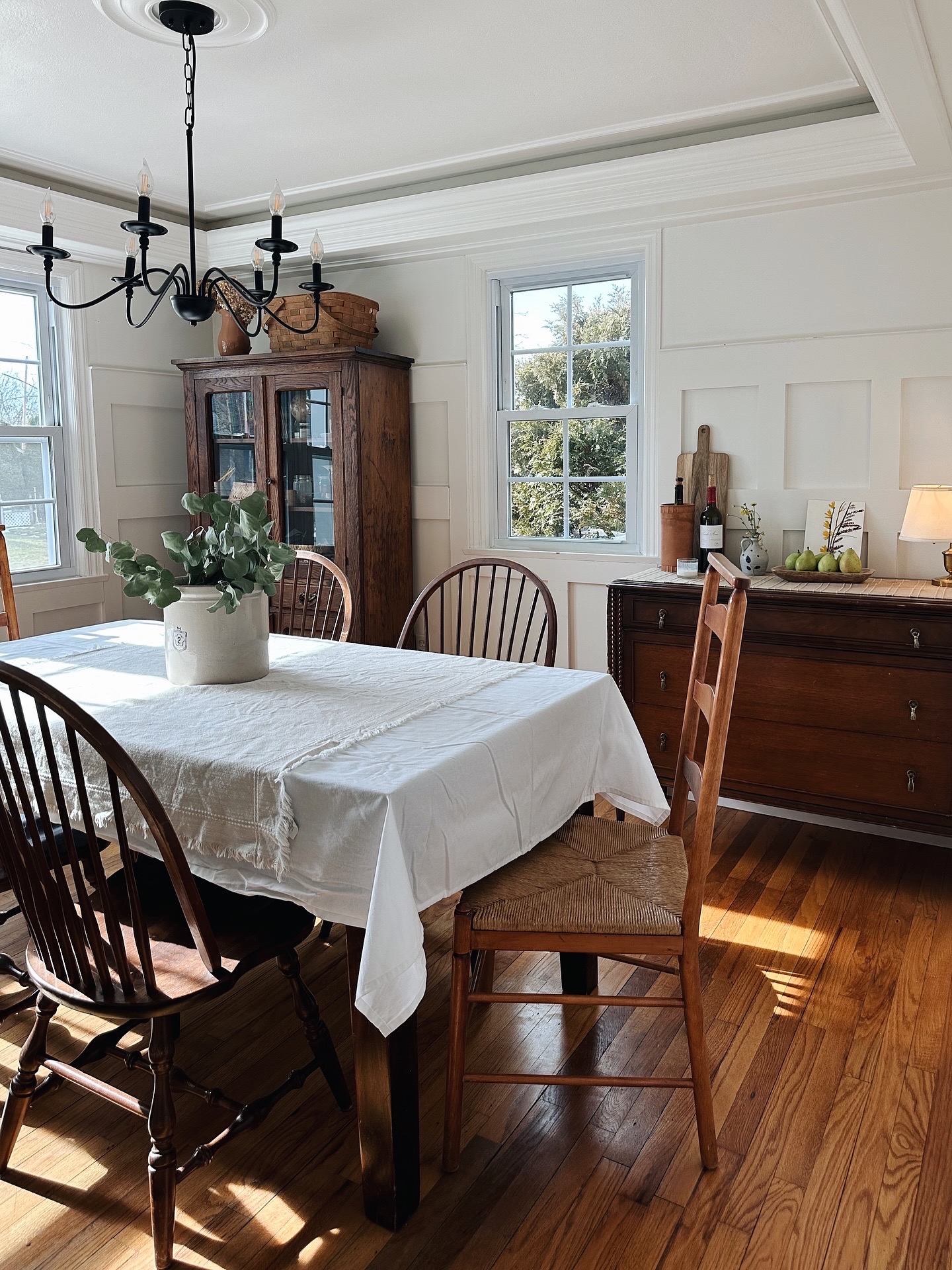
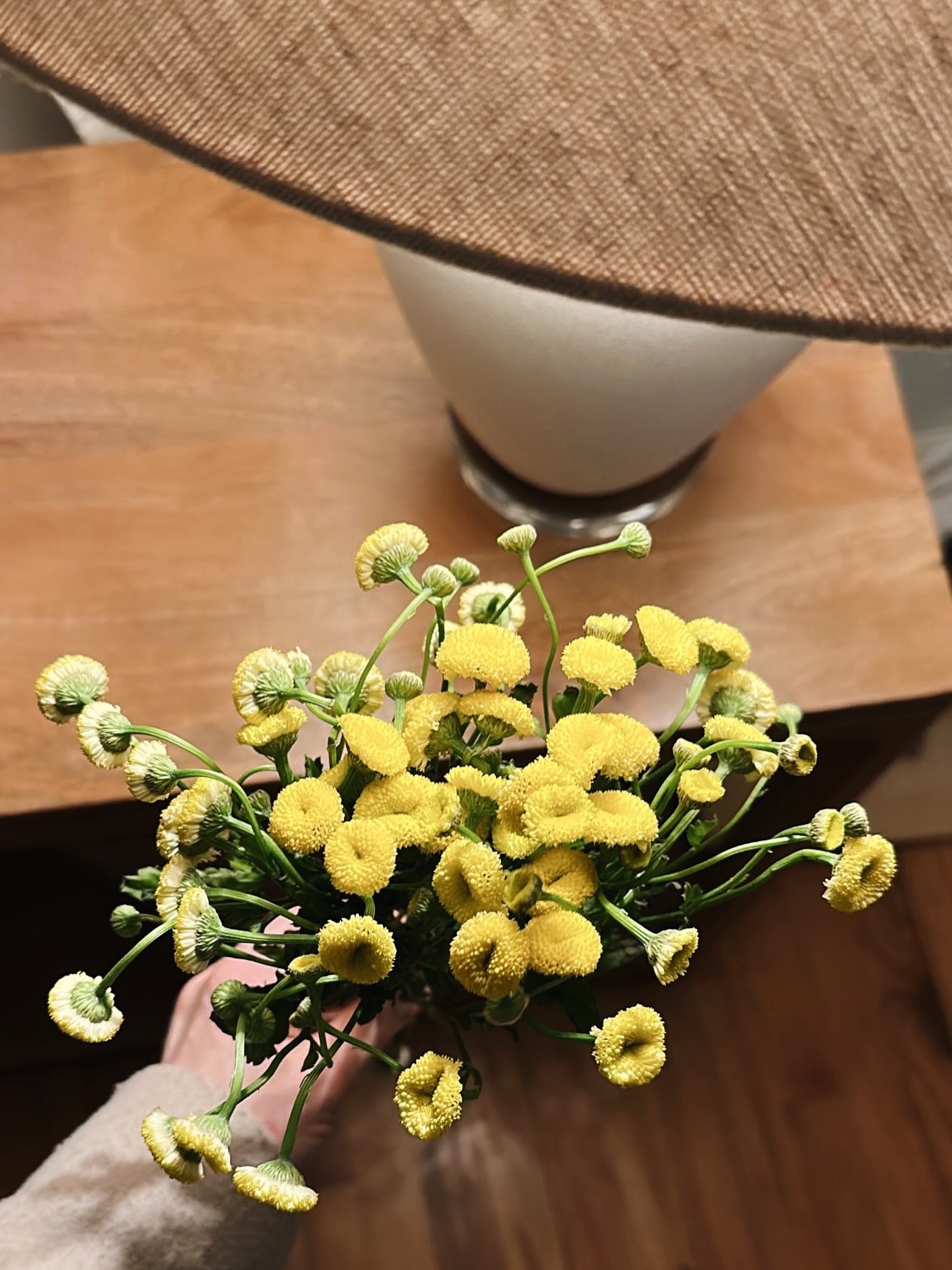
In addition to finding various resources, practices like deep breathing, buying flowers, taking a walk, and reading and meditating in nature have been incredibly valuable for me. Even rearranging my space has helped to see things in a new light, since the slightest reminders of a trauma may cause rumination. Reframing our thoughts and seeing light at the end of the tunnel so to speak, helps move forward, moving out of the fight, flight, freeze response.
Along with these simple daily practices, I’ve also found “The complex PTSD Workbook” by Arielle Schwartz to be invaluable in moving through some very difficult emotions. In her workbook, she explains the stages of grief, physical symptoms, treatment approaches, and a vast array of resources and practical techniques. I bough it on Amazon and highly recommend it. Thanks to a professional counselor, who recommended it to me, and happens to be a friend!
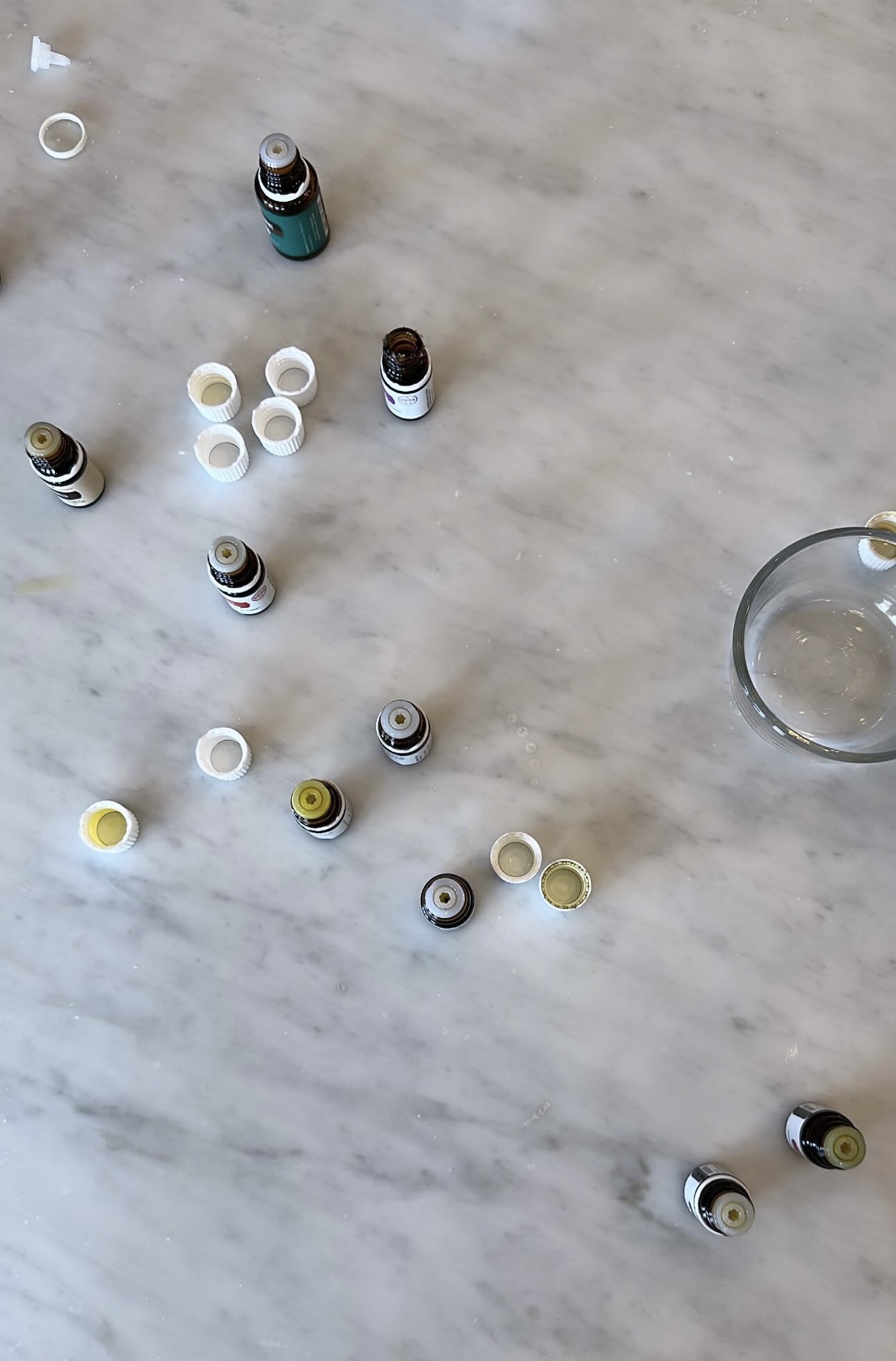
Another resource I found and love is “Herbal Medicine for Mental Health” by Daniel Amen. It is so helpful, and I especially love his balanced approach to understanding brain health. He also shares some things on essential oils, which is one of my top fav ways to support mind-body balance and overall wellness. Bergamot, lavender, frankincense, patchouli, and peppermint are some of my go to’s.
I hope this will be helpful to someone, as healing from any kind of trauma is no walk in the park!
Best,
Laura xx
 HOME ROOTED ESSENCE